Qualified Electrician Services for Secure and Efficient Electrical Systems
A professional electrical technician serves as an crucial part in preserving safe and efficient power infrastructure. These experts are qualified to manage intricate setups and identify possible dangers. Their knowledge ensures adherence with local codes and standards, which minimizes risks. Consistent upkeep and prompt fixes can substantially improve the longevity of electrical systems. However, many homeowners overlook the indicators suggesting the requirement for expert assistance. Recognizing these indicators is vital for avoiding costly complications.
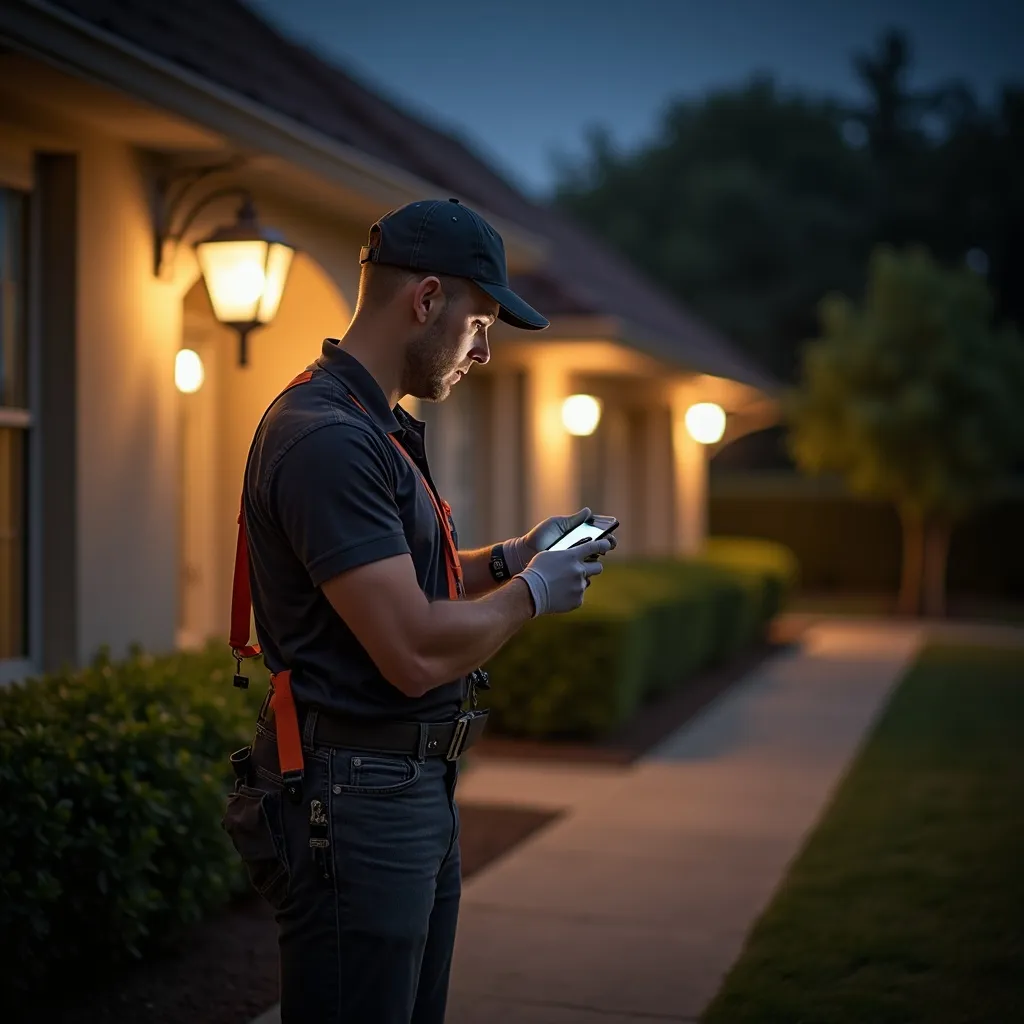
Why Contracting Skilled Electricians Matters for Well-being
Ensuring safety in electrical tasks is paramount, and hiring skilled electricians plays an vital role in this process. Trained professionals possess the necessary knowledge and experience to manage complex electrical systems, reducing the risk of accidents. Unqualified individuals may miss critical safety protocols, resulting in hazardous conditions such as electrical fires or shocks.
Additionally, experienced electrical experts are knowledgeable in regional building standards, ensuring that all work complies with legal standards. This compliance not only safeguards the homeowner but also contributes to the overall safety of the community. When issues arise, experienced electricians can rapidly identify problems and implement practical fixes, minimizing potential hazards.
Additionally, their experience extends to applying the correct tools and equipment, additionally boosting safety. Ultimately, investing in professional electrical technicians is important for maintaining safe electrical systems and preventing costly and evaluation dangerous complications in the future.
Main Solutions Given by Electricians
quick response times
Guaranteeing Regulation: How Electricians Keep Your Work Secure
Electricians have an critical function in ensuring safety and conformance within electrical systems. Their knowledge confirms that implementations comply to local and national safety codes, minimizing threats associated with compromised wiring and devices. By performing complete inspections, electricians identify potential hazards, like overburdened circuits or obsolete wiring, that could jeopardize well-being.
Furthermore, electricians keep pace with updates in codes and innovations, enabling them to apply best practices efficiently. They employ appropriate supplies and methods that are compliant with safety standards, verifying that all installations are both protected and dependable. Additionally, electricians furnish necessary documentation and reports that demonstrate compliance, providing reassurance to property owners and businesses.
Through their meticulous approach, electricians make substantial contributions to establishing secure settings, ultimately safeguarding both people and property from electrical hazards. Their focus on regulatory standards is essential in ensuring reliability and safety within electrical systems.
Why Regular Maintenance by an Electrician Is Critical
Thorough maintenance by a capable electrician is important for ensuring the endurance and efficiency of electrical systems. Scheduled reviews and servicing can identify potential issues before they escalate into costly repairs or dangerous situations. Electricians review the integrity of wiring, connections, and components, ensuring they meet safety standards and work effectively.
Furthermore, routine maintenance can improve power efficiency, reducing energy expenses over time. By tackling minor issues proactively, electricians help maintain reliability, minimizing power disruptions that can disrupt daily life. They also stay informed about the cutting-edge technologies and safety regulations, offering valuable insights that contribute to a safer environment.
Additionally, consistent upkeep can lengthen the lifespan of appliances and fixtures, in the end helping homeowners save considerable replacement costs. Thus, retaining a skilled electrician for periodic maintenance is a prudent investment in safety, efficiency, and overall peace of mind regarding electrical systems.
What Are the Symptoms That You Require Contact a Licensed Electrician?
Recognizing when to call in a professional electrician is critical for sustaining safe electrical practices. Regular breaker interruptions and lights that dim or flicker are clear indicators that something may be wrong with the electrical system. Responding to these signs in a timely manner can stop future complications and provide a safe residential environment.
Ongoing Circuit Breaker Trips
Repeated circuit breaker trips can signal electrical problems that need addressing that require immediate attention. Such instances often indicate circuits that are overloaded, where excessive devices draw power at the same time, posing a risk of overheating and potential fire hazards. Additionally, continuous tripping may suggest faulty wiring, damaged appliances, or even a malfunctioning breaker itself. Homeowners should also account for the age of their electrical system, as outdated components can result in instability. Ignoring these signs can escalate into more severe problems, including electrical fires or complete power outages. Consequently, when circuit breakers trip repeatedly, it is essential to consult a professional electrician. Their expertise can diagnose the root cause and guarantee the safety and efficiency of the home's electrical systems.
Lights That Blink or Fade
Flickering or dimming lights can represent a troublesome experience for homeowners, often pointing to latent electrical issues that demand professional attention. Such indicators may reveal loose wiring, which can lead to arcing and potential fire hazards. Additionally, overloaded circuits or failing light bulbs may cause inconsistent lighting. If multiple fixtures are affected, it could demonstrate a more serious problem, such as inadequate electrical supply or issues with the main panel. Homeowners should also be aware of buzzing sounds accompanying the flickering, which can further suggest electrical faults. Ignoring these signs can lead to increased risks and costly repairs. Consequently, it is advisable to consult a qualified electrician to accurately diagnose and resolve the issue, ensuring safety and system efficiency.
How to Determine the Perfect Electrician for Your Requirements
Finding a qualified electrician involves deliberate evaluation of a number of critical points. It is necessary to confirm credentials and licenses, consider their capabilities and experience, and get detailed estimates for labor. These approaches can help validate that the engaged specialist tackles particular requirements and sustains high standards.
Verify Credentials And Licenses
When seeking out an electrician, verifying credentials and licenses is important to safeguarding standard quality and safety. A licensed electrician has received the required training and complies with local regulatory standards, making them essential for compliance and dependability. It is recommended to check the electrician’s license number and verify its validity with the appropriate state or local authority. Moreover, certifications from acknowledged organizations show specialized training in numerous electrical systems and safety practices. Clients need to inquire about liability insurance, protecting both electrician and homeowner in case of accidents or damages. Ensuring that the electrician possesses the proper credentials not only fosters trust but also mitigates risks associated with electrical work, ultimately leading to a safer environment.
Assess Experience and Expertise
After confirming credentials and licenses, assessing an electrician's experience and expertise becomes a crucial element in the hiring decision. The number of years in the industry can demonstrate a professional's familiarity with different electrical setups and obstacles. Also, specialized training in sectors like domestic, commercial, or manufacturing electrical work can further highlight an electrician's proficiency. Prospective clients should inquire about past work similar to their requirements, as this can offer understanding of the electrician's problem-solving abilities and adaptability. Testimonials and feedback from past clients can also shed light on service excellence and dependability. In the end, a comprehensive assessment of skills and knowledge helps ensure that the chosen electrician can provide secure and effective electrical services.
Ask for Detailed Proposals
Obtaining detailed estimates is critical for promoting transparency and recognizing the complete extent of work involved in electrical projects. A properly formatted estimate illustrates a detailed breakdown, including supplies, workmanship costs, and probable supplementary charges, which permits clients to reach sound choices. When selecting electricians, individuals should collect multiple quotes to evaluate fair market pricing and services offered. Transparent communication about job requirements is crucial, as it empowers electricians to provide accurate evaluations. Customers should likewise request information about delivery schedules and warranty terms, as these factors shape the true value of the offering. In the long run, detailed quotes aid in cost management and also foster confidence between customers and electricians, creating a productive partnership for the entire project duration.
Frequently Commonly Questions
What Qualifications Should I Review in an Electrician?
When selecting an electrician, one should seek valid credentials, relevant certifications, extensive experience, and positive customer reviews. Additionally, assessing their understanding of modern electrical standards and safety practices is essential for ensuring reliable service.
What Rate Can You Plan for Experienced Electrician Work?
Professional electricians generally charge $50 to $100 per hour, which varies with the complexity of the job and the technician's background. Fixed fees for particular services may also apply, differing by region and work extent.
Do Electricians Possess Insurance and Licensing?
Yes, electrical contractors are commonly mandated to hold both a license and insurance. This ensures they have fulfilled necessary training standards and can protect both themselves and their customers from likely liabilities during electrical work.
Can Electricians Manage Both Domestic and Commercial Work?
Electricians can tackle both residential and commercial work, as their instruction supplies them with the essential skills and knowledge. This adaptability allows them to accommodate to multiple electrical needs across different types of properties.
What Would I Proceed With in an Electric Emergency?
In an electrical emergency, one should promptly shut down the electricity at the main breaker, avoid touching live conductors, and contact a licensed electrical professional. Making safety a priority is critical to avoid further hazards or injuries.